How is the Gaming Industry Transforming Using Blockchain Technology?

The gaming industry is undergoing a groundbreaking transformation with the integration of blockchain technology. What was once solely an entertainment-focused sector has now evolved into one that combines finance, ownership, and real-time value. Blockchain is reshaping gaming in previously unimaginable ways, bringing significant benefits to both developers and gamers.

Ownership of In-Game Assets
One of the most revolutionary impacts of blockchain on gaming is the concept of true ownership of in-game assets. Traditionally, in-game items such as skins, weapons, or characters were controlled by game developers. Players could invest time and money to acquire these items, but they never truly “owned” them. With blockchain, through Non-Fungible Tokens (NFTs), gamers can now have real ownership of their digital assets.

These blockchain-based assets can be bought, sold, or traded across different games and platforms, creating a player-driven economy. This shift has opened up new possibilities in gaming, where digital collectibles hold real-world value. Gamers can now earn through playing, turning gaming into not just a hobby but a potential career path.

Also Read:The High Stakes of AR-VR: Why Meta Is Losing Billions for Future Gains

Play-to-Earn (P2E) Games
Blockchain is also fueling the rise of Play-to-Earn (P2E) games. These games reward players with cryptocurrencies or NFTs for in-game achievements. Games like Axie Infinity and The Sandbox have popularized this model, transforming gamers into entrepreneurs. With P2E, players have a financial incentive to engage more deeply with the game, fostering a new type of relationship between the game and its users.

This model creates a more democratic gaming environment, where players can earn based on their skills and time investment, without the need for upfront costs or pay-to-win mechanics. It’s a win-win situation—gamers earn, and developers enjoy a more active, engaged user base.

Decentralized Gaming Ecosystems
Blockchain has also introduced decentralized gaming ecosystems. Unlike traditional games, where developers retain full control over the game world, blockchain-based games are governed by the community. These decentralized ecosystems allow players to participate in decision-making processes, such as voting on game updates or sharing in profits.

This player-centered governance ensures transparency and fairness, making the gaming experience more rewarding and inclusive. It also shifts power away from large corporations, giving more control to the gaming community, which fosters innovation and creativity.

Enhanced Security and Transparency
Blockchain’s transparency and security features are greatly benefiting the gaming industry. Gamers no longer have to worry about fraudulent transactions or unauthorized access to their accounts. With blockchain, every transaction is recorded on a distributed ledger, making them immutable and traceable.

This technology eliminates the risk of in-game asset fraud, protecting gamers from hacks and malicious activities. Blockchain creates a trustless environment where transactions happen automatically and securely, without the need for intermediaries.

Learn game UI/UX from a leading game dev company and become a professional game designer in 9 months.

Cross-Game Compatibility
Blockchain also offers the possibility of cross-game compatibility, allowing players to use their in-game assets across multiple games. This could lead to a more interconnected gaming ecosystem, where progress in one game can benefit or influence another. For instance, an item earned in a blockchain-based game could be traded or used in a completely different game, enhancing the player’s overall experience.

Conclusion
Blockchain technology is transforming the gaming industry in profound ways, from enabling true ownership of in-game assets to creating decentralized ecosystems. As blockchain games continue to gain popularity, they are unlocking a world of opportunities for both players and developers. The rise of P2E models, enhanced security, and transparency are only the beginning of blockchain’s impact on gaming.

The future of gaming looks bright, with blockchain positioned at the forefront of this revolution.

Zynga Ventures into Web3 Gaming with ‘Sugartown’

You have heard about Zynga, right?  It is the U.S.-based video game giant known for iconic titles like FarmVille as well as Words With Friends. It is making its mark in the blockchain world with an exciting new game called Sugartown. This Web3 game will feature Ethereum NFTs, marking Zynga’s first foray into the blockchain gaming space.


Also Read: How General Motors is Using AI & ML to Win More Races?

The storyline of Sugartown revolves around a wormhole opened by three farm animals, led by the quirky Mayor Mel. This portal connects to another dimension filled with mysterious creatures known as Oras, who have now invaded Sugartown, transforming it into a gamified universe.

In addition to the immersive gameplay, Zynga is set to release 10,000 Ethereum-based Ora NFTs before the year’s end. Only owners of these NFTs will gain access to Sugartown, where they can also enjoy a series of free-to-play minigames. These digital collectibles will serve as keys to the game, and players can even stake their Ora NFTs to earn in-game currency known as Sugar. While Sugar isn’t a cryptocurrency, it plays a crucial role within the gaming ecosystem.

Sugartown will be accessible exclusively through web browsers, with the launch date yet to be announced.

Commenting on the new Web3 game, Zynga’s VP of Web3 Gaming, Matt Wolf, shared:

“Our goal is to empower players with a sustainable Web3 platform offering fun and lasting games. While Sugartown is designed for the Web3 community, we aim to expand its reach, building a dedicated and passionate player base that will enjoy this experience as much as we did creating it.”

Also Read: How Generative AI is Reshaping the Industry of Media & Entertainment?

Zynga’s move into blockchain gaming has been in the works since 2021, and following their acquisition by Take-Two Interactive last year, the company’s commitment to Web3 gaming is now crystalizing. Sugartown positions Zynga among the pioneering game developers making significant strides in this innovative space.

Stay tuned for more updates on this exciting new venture!

UP Tourism to Launch AR/VR Experience at Mahakumbh-2025


Allahabad, August 31, 2024
— The Uttar Pradesh Tourism Department is poised to unveil an extraordinary cultural village. “Sanskriti Gram,” is the name of the cultural village which will be there in Mahakumbh-2025. This unique initiative, set within the sprawling 5-acre expanse of the Mahakumbh Mela grounds, will bring the spiritual, cultural, and historical essence of the Mahakumbh to life through state-of-the-art augmented reality (AR) and virtual reality (VR) technologies.

A Cultural Extravaganza

“Sanskriti Gram” is designed to be the cultural heartbeat of the 45-day mega religious fair. The village will host a myriad of events and exhibitions which will celebrate the essence of the Mahakumbh. It will provide visitors with an immersive journey that seamlessly blends age-old traditions with cutting-edge AR/VR technology. This fusion promises to offer an unparalleled insight into the spiritual and historical significance of the Mahakumbh.

Also Read: How Generative AI is Reshaping the Industry of Media & Entertainment?

High-Tech Cultural Immersion

At the core of “Sanskriti Gram” will be its high-tech AR/VR experiences. Offering visitors a chance to traverse the Mahakumbh’s journey across various eras. Through 360-degree virtual tours, interactive touchscreen kiosks, and dynamic multimedia presentations, the ancient traditions of the Mahakumbh will be vividly brought to life, making the experience both educational and engaging.

Architectural Marvels and Craft Exhibits

In addition to the immersive AR/VR experiences, “Sanskriti Gram” will feature 20 meticulously curated stalls showcasing local handicrafts and traditional arts. The village will also include specialized zones dedicated to ancient heritage, mythology, historical artifacts, astrological science, and performing arts. These zones will host interactive workshops, allowing visitors to engage directly with India’s rich cultural legacy.

Grand Gates and Thematic Entrances

The Mahakumbh Mela grounds will be adorned with 30 grand gates, each inspired by profound spiritual themes such as Trishul, Swastika, Kalpvriksh, and Damru. These gates will not only serve as entry points but also as symbolic representations of the spiritual core of the Mahakumbh. Enhancing the visitor experience further, selfie points, lamp posts, and portable tourist information centers will be strategically placed at each gate.

Cultural Performances and Workshops

The village will host daily performances of classical and folk dance and music on the main stage. Alongside there will be theatrical shows, cooking demonstrations, and craft workshops. These events will allow visitors to deeply immerse themselves in the cultural richness of India. That will be turning “Sanskriti Gram” into a vibrant, living showcase of the nation’s heritage.

Also Read: How General Motors is Using AI & ML to Win More Races?

A Vision of Tradition and Innovation

As per the UP government’s vision for a divine Mahakumbh-2025, “Sanskriti Gram” stands as a testament to the harmonious blend of tradition and modern technology. With this, the UP Tourism Department aims to offer a new-age technology that not only honors the past but also embraces the future. The Mahakumbh-2025 is set to be more than just a religious event. It will be a cultural phenomenon that resonates with millions around the globe.

The High Stakes of AR-VR: Why Meta Is Losing Billions for Future Gains

Meta, formerly known as Facebook, has made a significant commitment to the future of augmented reality (AR) and virtual reality (VR), positioning itself as a leader in this emerging market. However, this bold vision comes with substantial financial risks. In its relentless pursuit to dominate the AR-VR space, Meta has reported staggering losses, with its AR/VR Reality Labs division losing close to $4 billion in the latest quarter alone.

The Financial Toll of a Future-Focused Gamble

Since rebranding as Meta, the company has been vocal about its ambitions to build the “Metaverse,” a digital world that blends virtual and augmented realities with the physical world. This vision requires enormous investments, not just in technology development but also in scaling a whole new ecosystem that could revolutionize how we interact online.

However, the financial toll of this venture has been heavy. Since June 2022, Meta has been losing money at a rate of more than $1 billion per month on its AR/VR aspirations. The Reality Labs division, responsible for developing these technologies, reported $440 million in revenue in the latest quarter. Yet, this revenue pales in comparison to the $3.85 billion overall loss the division recorded in the same period.

Meta’s financial reports have consistently shown these losses, and the company acknowledges that the trend will likely continue. “We continue to expect operating losses to increase meaningfully year-over-year due to our ongoing product development efforts and our investments to further scale our ecosystem,” said Meta CFO Susan Li during the Q1 earnings call.

Also Read: How Generative AI is Reshaping the Industry of Media & Entertainment?

The Strategic Importance of AR-VR for Meta

Despite the financial losses, Meta’s commitment to AR and VR is a strategic move designed to secure its future in an increasingly competitive tech landscape. The AR-VR market is still in its early stages, but it is expected to grow rapidly over the next decade. Companies that establish a strong presence now could dominate the market in the future, much like how Facebook once dominated social media.

For Meta, AR and VR are more than just new technologies; they represent the next frontier of digital interaction. The Metaverse, as envisioned by Meta, could redefine online experiences, making them more immersive and interconnected. This potential has driven the company to invest heavily, even at the cost of significant short-term financial pain.

The Road Ahead: Challenges and Opportunities

Meta’s journey into AR and VR is not without its challenges. The technology is still evolving, and widespread consumer adoption may take years. Additionally, the financial burden of sustaining such losses could strain the company’s resources, especially if the AR-VR market does not grow as quickly as anticipated.

However, the opportunities are vast. If Meta succeeds in its quest to lead the AR-VR market, it could reshape the digital landscape and secure its position as a tech giant for years to come. The company’s ability to innovate and create compelling AR-VR experiences will be crucial in determining the success of its Metaverse vision.

Also Read: Innovative Technologies Revolutionizing ML in RacingGaming Industry.

So we can say that, Meta’s aggressive investment in AR and VR is a high-stakes gamble. While the financial losses are significant, the potential rewards could be transformative, not just for Meta but for the entire tech industry.

Ultimate Guide to Game UI/UX: From Concept to Creation

The world of gaming has changed significantly over the years as visuals and experience (UI/UX) playing a crucial role in the success of a game. If you’re a budding game designer or an experienced professional seeking to improve your skills, knowing the intricate details of designing game UI/UX is vital. This guide will take you through the fundamental stages, from concept to design, in order to help you design an engaging and user-friendly game experience.

Understanding UI/UX in Gaming

The term UI (User Interface) refers to the visual elements players interact with, including icons, menus, buttons as well as HUDs (Heads-Up Displays). An attractively designed UI is user-friendly attractive, visually appealing and seamlessly blends into the overall design of the game.

The UX (User Experience) The UX (User Experience) on contrary, concentrates on the overall experience and satisfaction when playing the game. This is reflected in the simplicity of navigation, control’s responsiveness, as well as the ease of instruction. A good UX design means that gamers can fully immerse themselves into the game without causing any frustration or confusion.

Learn game UI/UX from a leading game dev company and become a professional game designer in 9 months.


Step 1: Research and Planning

Before you dive into designing, thorough research is vital. Start by studying successful games in your genre to discover the elements that work and what does not. Take note of their UX/UI design, focusing on factors that can enhance your gaming experience.

Next, define your target audience. Knowing their preferences, behavior and expectations will help guide your design decisions. Personas are created to represent various groups of your target audience and help you customize the user interface to meet their requirements.

Step 2: Conceptualization

After you’ve done your research Begin to conceptualize the UI/UX of your game. Draw out your initial concepts and then create wireframes to show the design of the game’s interface. This is essential to test different layouts and identifying any potential problems before they become a problem.

Take a look at the following concepts during conceptualization:

Simple: Don’t clutter the screen by adding unnecessary elements. Make sure that the most important information is prioritized and that it is easily accessible.

Consistency: Ensure an identical style of visuals all through the gameplay. This includes colors, fonts and buttons.

Feedback: Create interactive elements that offer feedback, for example, by highlight buttons when hovered or clicked.

Step 3: Design and Prototyping

Once you’ve got a solid idea, proceed to the design stage. Utilize graphic design tools such as Adobe XD, Figma, or Sketch to create high-resolution sketches of your user interface. Make sure to create attractive elements which are in line with the theme of your game and style of art.

Prototyping is an essential stage in this process. Make interactive prototypes to evaluate the usability and flow of your user interface. This lets you identify and fix any issues with usability before going on to the development phase.

Step 4: User Testing and Iteration

User testing is an important component of the UI/UX design process. Conduct usability tests on real users to get feedback about your product. Be aware of their interactions taking note of any points of confusion or dissatisfaction.

Based on the feedback you receive, revisit your concept. Make any necessary adjustments to enhance your overall experience for users. This process will ensure that the final design is refined and user-friendly.

Step 5: Implementation and Integration

With a well-crafted design you are now ready to integrate the UI/UX design into your game. Partner with developers to ensure that your design is properly transferred in the actual game. Make use of tools like Unity and Unreal Engine, which offer powerful UI designing capabilities, which will help you bring your ideas to reality.

Step 6: Post-Launch Evaluation

Even after the game is launched the design of UI/UX remains ongoing. Keep collecting feedback from players and track their interactions. Utilize analytics tools to monitor player behavior and highlight areas of improvement. Regular updates and improvements made based on feedback from players will keep players enjoying a great gaming experience.

Also read: NODWIN Expands Portfolio, Supports Freaks 4U Again for Domination in the eSports Market

Conclusion

The creation of a captivating and easy UX/UI to your games is a multi-faceted procedure which requires careful planning, creative thinking and constant refinement. If you follow this guide, you’ll be able to design engaging user experiences that will entice players from conception to finalization. Be aware that a well-designed UI/UX does more than just enhance the user’s enjoyment, but it also aids in the overall achievement in your sport. Happy designing!

Deadpool and Wolverine: A Dynamic Duo Redefining Superhero Movies

The world of superhero movies has always been filled with spectacular characters, each with their own unique stories and abilities. Among the most beloved and intriguing are Deadpool and Wolverine. These two characters, with their complex personalities and compelling narratives, have captivated audiences and created a lasting impact on the genre. This blog explores the exciting developments in the Deadpool and Wolverine movies and how they inspire students, the young generation, and movie lovers.

The Evolution of Deadpool and Wolverine

Deadpool, known for his quick wit, irreverent humor, and fourth-wall-breaking antics, has become a fan favorite since his cinematic debut. Played by Ryan Reynolds, Deadpool’s character brings a refreshing blend of comedy and action, making superhero movies more accessible and entertaining for a broad audience. The success of the Deadpool movies has shown that audiences appreciate a superhero who doesn’t take himself too seriously, yet still manages to deliver in terms of action and heart.

On the other hand, Wolverine is a character steeped in intensity and depth. With his tragic backstory, incredible healing abilities, and iconic adamantium claws, Wolverine has been a cornerstone of the X-Men franchise. His journey from a lone wolf to a key member of the X-Men has been a source of inspiration for many, highlighting themes of redemption, loyalty, and resilience.

Also Read:Robert Downey Jr.’s Massive Payday for Doom: Iron Man and Doctor Doom Switch Bodies in the Marvel Cinematic Universe!

The Collaboration Between D&W

The excitement surrounding the third movie Deadpool and Wolverine movie is palpable. This collaboration promises to bring together the best elements of both characters, creating a film that is not only action-packed but also rich in character development and storytelling. For students and young movie lovers, this film is a testament to the power of collaboration and the magic that happens when diverse personalities come together.

Lessons for Students and the Young Generation

1. Embracing Individuality: Both Deadpool and Wolverine are characters who embrace their unique traits. Deadpool’s humor and unconventional approach, coupled with Wolverine’s brooding intensity, show that it’s okay to be different. This lesson is particularly relevant for students and young individuals who are often pressured to conform. Embracing individuality can lead to a more fulfilling and authentic life.

2. Resilience and Overcoming Adversity: Wolverine’s story, marked by loss and suffering, is a powerful example of resilience. Despite the challenges he faces, Wolverine continually fights for what he believes in. This serves as an inspiration for young people to persevere through their own struggles and to remain steadfast in the face of adversity.

3. The Power of Humor: Deadpool’s humor, even in the direst situations, teaches the importance of laughter and a positive outlook. For students dealing with the pressures of academics and life, finding humor can be a great coping mechanism and a way to maintain mental well-being.

4. Collaboration and Teamwork: The fun-filled movie emphasizes the importance of teamwork. Despite their differences, Deadpool and Wolverine will work together, showcasing that collaboration can lead to great outcomes. This is a valuable lesson for students, highlighting the importance of working effectively with others.


Impact on Movie Lovers

For movie lovers, the Deadpool and Wolverine films represent a merging of genres. The combination of Deadpool’s comedic style with Wolverine’s dramatic narrative creates a unique viewing experience. This blend of humor and drama appeals to a wide audience. That proves that superhero movies can be multifaceted and engaging on multiple levels.

Also Read:How will the Indian Gaming Sector Generate 2.5L jobs in 2025?

A Cultural Phenomenon

Deadpool and Wolverine have transcended the comic book pages to become symbols of resilience, individuality, and humor. Their stories encourage viewers to embrace their strengths and acknowledge their flaws, making them relatable and inspiring.

Conclusion

The 3rd part of Deadpool and Wolverine movie is more than just an exciting addition to the superhero genre. It’s a source of inspiration and entertainment for students, the young generation, and movie lovers. By showcasing themes of individuality, resilience, humor, and collaboration, the film promises to deliver valuable life lessons wrapped in thrilling action and engaging storytelling. As we eagerly await this dynamic duo’s next adventure, one thing is clear: Deadpool and Wolverine are redefining what it means to be a superhero in the modern age.

Upcoming Animation Movies 2024: What Gamers and Film Buffs Should Look Forward To

The boundaries between cinema and gaming are blurring in 2024. It is expected to be an incredible year for those who love animated movies. With cutting-edge technology as well as imaginative storytelling, the new slate of animated films is expected to challenge the limits of what is possible. From robot-powered odysseys to epic journeys.

Check out the list of five most anticipated animation movies for fans and gamers alike:

  1. The Wild Robot

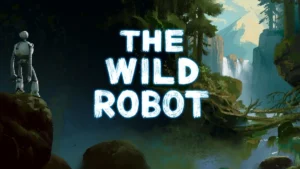
Firstly,  “The Wild Robot,” inspired by Peter Brown’s well-known kids’ book is an enchanting visual delight that combines technology and heart. The story centers around Roz an artificial intelligence that wakes up on a deserted island following a wreck. As she adjusts to her environment, Roz learns about survival as well as nature and the nature of living.

Directed by Chris Wedge, the genius behind “Ice Age” and “Robots,” this film promises a deep and immersive experience. The amazing blend of lush natural landscapes & intricate robotic design makes it a “must-watch”.

  1. Transformers One

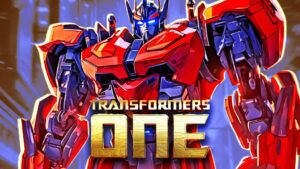
Secondly, “Transformers One” dives deep into the mythology of Cybertron and offers fans an incredible visual story of the origins. The prequel traces the beginnings of the Autobots as well as Decepticons with a focus on famous characters such as Optimus Prime as well as Megatron before they were able to become enemies.

Produced and directed by Josh Cooley, known for his work on “Toy Story 4,” the film is expected to bring action-packed scenes that are explosive and intricate robot designs that will be a hit with filmgoers and gamers. The animation in the film aims to bring the dazzling cybertronian world Cybertron to life with a level of details and real-world realism.

Also read: First Ever IGDC Game Jam organize in Kolkata.
  1. Saving Bikini Bottom

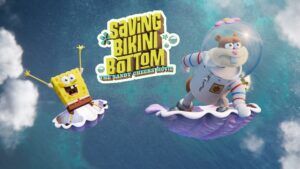
Thirdly, from the makers of “SpongeBob SquarePants” comes “Saving Bikini Bottom,” an action film that reunites our most beloved undersea characters back to life in a brand new adventure. In this film, SpongeBob along with his friends have to protect their home from a mysterious threat.

Produced by Tim Hill, the film maintains the series’ signature humor and quirky style of animation. Expect vivid visuals and innovative characters that create Bikini Bottom a live and breathing place. For those who love characters-driven stories and hilarious adventures, this film is sure to be a fun journey into a familiar but fresh world.

  1. Spellbound

Skydance Animation’s “Spellbound” introduces us to the fascinating kingdom of Lumbria in which princess Ellian must overcome the curse that divides her kingdom. Her adventure through enchanted worlds that are populated with mythical creatures and perilous obstacles promises an exciting adventure.

Produced and directed by Vicky Jenson, whose credits include “Shrek” and “Shark Tale,” the film has an impressive ensemble cast, led by Rachel Zegler and Nicole Kidman. The animated film is anticipated to be enchanting and detailed, featuring richly detailed settings and enchanting effects that will attract those who love adventure and fantasy games.

  1. Moana 2

Reuniting with the beloved realm that is Oceania, “Moana 2” continues the adventures of the frenzied wayfinder Moana. The sequel takes on new waters. As Moana sets off on yet another adventure to learn the roots of her family and the vast ocean.

The film is directed by Ron Clements and John Musker. “Moana 2” promises breathtaking ocean scenes to its audience. There will be exciting characters and a music score composed by Lin-Manuel Miranda which will resonate with the fans. The animation in the film will show the beauty and splendor of oceans. It provids an audio and visual treat for those who enjoy adventure and epic quests.

Also Read: 250000 Jobs In Indian Gaming Industry.

Wrapping Up

2024’s animated film lineup is expected to be narrative and visually extravagant. These films are not just going to entertain but also provide inspiration. It will also present deep, immersive environments that invite viewers to investigate and envision. If you are a film buff these coming movies are bound to provide something new and exciting. Make sure to mark your calendars, as these animation movies aren’t to be left out!

Robert Downey Jr.’s Massive Payday for Doom: Iron Man and Doctor Doom Switch Bodies in the Marvel Cinematic Universe!

The Marvel Cinematic Universe (MCU) never ceases to surprise its fans with groundbreaking announcements. And the latest revelation from the 2024 San Diego Comic-Con is no exception. The iconic Robert Downey Jr.’s return to the MCU and we all know that it is a grand return. But this time with a twist that no one saw coming. After bidding farewell to his role as Tony Stark/Iron Man in 2019, Downey Jr. is set to don the mantle of one of Marvel’s most notorious villains, Victor von Doom, a.k.a. Doctor Doom.

The news of RDJ’s return was accompanied by intriguing details about the conditions under which he agreed to reprise a role in the MCU. According to a report from Variety, Downey Jr. had specific stipulations for his comeback. One of the primary conditions was the return of the Russo brothers as directors for the upcoming Avengers films: Avengers: Doomsday and Avengers: Secret Wars. The Russo brothers, who previously directed some of the most successful MCU films, including Avengers: Infinity War and Avengers: Endgame, are reported to be receiving a substantial $80 million for their return.

Also Read: 250000 Jobs In Indian Gaming Industry.

However, RDJ’s deal surpasses even this impressive figure. Variety’s report suggests that Downey Jr.’s compensation for stepping into the role of Doctor Doom is “significantly more” than the Russo brothers’ payday, hinting at a staggering amount in the three-digit million range. To put this into perspective, RDJ earned between $500 million and $600 million for his performances in the first three phases of the MCU, spanning ten movies.

Casting Decision

This casting decision is rooted in an intriguing plotline from Marvel Comics. In one storyline, Iron Man and Doctor Doom switch bodies. Offering a tantalizing opportunity for Downey Jr. to showcase his range by portraying both the heroic and villainous sides of these iconic characters. Fans are eagerly anticipating how this dual role will be executed on the big screen. Especially with the Russo brothers at the helm.

The implications of RDJ playing Doctor Doom are profound for the future of the MCU. Doctor Doom is not just any villain. He is one of the most complex and formidable adversaries in the Marvel Universe. With his genius-level intellect, mastery of both science and sorcery and an unquenchable thirst for power, Doctor Doom poses a unique challenge to the MCU’s heroes. RDJ’s portrayal of such a multifaceted character could redefine the landscape of the MCU. That will offer fresh narratives and dynamics that fans have yet to experience.

Moreover, this move highlights Marvel Studios’ strategy of blending beloved legacy characters with new, exciting storylines. Bringing back a fan-favorite actor like RDJ in a completely different role underscores the studio’s commitment to innovation while honoring its rich history. It also sets the stage for potential crossovers and multiverse adventures, which have become increasingly central to the MCU’s storytelling.

The announcement has set the internet abuzz, with fans speculating about the potential plotlines and character arcs that could unfold. Social media is rife with theories. Ranging from Doctor Doom’s quest for the Infinity Stones to his possible alliance or rivalry with other major villains like Kang the Conqueror. The possibilities are endless, and with RDJ’s talent and charisma, the anticipation for these upcoming films is reaching unprecedented heights.

Also read: Upcoming Animation Movies 2024 – What Gamers and Film Buffs Should Look Forward To

Robert Downey Jr.’s return to the MCU as Doctor Doom marks a monumental moment in the franchise’s history. This bold casting choice not only reinvigorates interest in the MCU. It also promises to deliver a cinematic experience that is both nostalgic and refreshingly new. As fans eagerly await the release of Avengers: Doomsday and Avengers: Secret Wars, one thing is certain. The MCU is poised to embark on an exciting new chapter, with RDJ once again at its forefront, ready to captivate audiences worldwide.

How General Motors is Using AI & ML to Win More Races?

In the high-octane world of motorsports, every millisecond counts. As technology continues to evolve, so does the approach racing teams take to their strategies and performance. One of the most groundbreaking advancements in recent years has been the integration of Artificial Intelligence and Machine Learning in motorsports. General Motors (GM), a prominent player in the automotive industry, has been at the forefront of this revolution, using AI and ML to enhance their racing capabilities and secure more victories on the track.

The Role of Artificial Intelligence and Machine Learning in Motorsports

AI and ML have the potential to transform various aspects of motorsports, from vehicle design and engineering to race strategy and performance optimization. These technologies enable teams to analyze vast amounts of data, identify patterns, and make data-driven decisions that significantly improve their chances of winning races.

Vehicle Design and Engineering

One of the key areas where GM leverages AI and ML is in vehicle design and engineering. By utilizing advanced algorithms and simulations, GM can optimize the aerodynamics, weight distribution, and overall performance of their race cars. AI-driven design tools allow engineers to explore a wider range of design possibilities and quickly identify the most promising configurations. This approach not only speeds up the design process but also results in more competitive and efficient race cars.

For instance, AI algorithms can simulate different race conditions and predict how changes in a car’s design will affect its performance. This enables GM to make informed decisions about modifications and enhancements, ultimately leading to better-performing vehicles on the track.

Also Read: Innovative Technologies Revolutionizing ML in RacingGaming Industry.

Data Analysis and Predictive Analytics

In motorsports, data is king. Every race generates massive amounts of data from various sensors and telemetry systems installed in the cars. This data includes information on speed, acceleration, tire pressure, fuel consumption, and much more. Analyzing this data manually would be a herculean task, but AI and ML make it possible to process and interpret it in real-time.

GM uses AI-powered analytics to gain insights into their cars’ performance and identify areas for improvement. By analyzing historical data, AI algorithms can predict potential issues before they arise, allowing the team to take proactive measures to prevent mechanical failures and optimize performance. For example, predictive maintenance powered by AI can help identify components that are likely to wear out or fail, ensuring they are replaced before they cause problems during a race.

Race Strategy and Decision-Making

Artificial Intelligence and Machine Learning also play a crucial role in formulating race strategies and making real-time decisions during races. GM’s race strategists use AI-driven models to simulate different race scenarios and evaluate the potential outcomes of various strategies. These models take into account factors such as track conditions, weather, competitor performance, and pit stop timings.

During a race, AI systems continuously analyze data from the car and its surroundings, providing real-time recommendations to the drivers and pit crews. For instance, AI can suggest the optimal time for a pit stop, recommend adjustments to the car’s settings, or alert the team to changing track conditions. These data-driven insights enable GM to make split-second decisions that can be the difference between victory and defeat.

Also Read: How Generative AI is Reshaping the Industry of Media & Entertainment?

The Future of Artificial Intelligence and Machine Learning in Motorsports

As AI and ML technologies continue to advance, their impact on motorsports is expected to grow even further. The ability to process and analyze data in real-time, coupled with the power of predictive analytics, will enable racing teams to achieve unprecedented levels of performance and reliability.

GM’s commitment to integrating AI and ML into their motorsports operations demonstrates the immense potential of these technologies. By leveraging AI and ML, GM is not only enhancing their competitive edge but also setting new standards for the entire industry. As other teams follow suit, the future of motorsports will be defined by the innovative use of AI and ML, leading to faster, safer, and more exciting races for fans around the world.

In conclusion, AI and ML are revolutionizing the world of motorsports, and General Motors is at the forefront of this transformation. From vehicle design and data analysis to race strategy and decision-making, AI and ML are helping GM win more races and set new benchmarks in the industry. As these technologies continue to evolve, the possibilities for innovation in motorsports are endless, promising an exciting future for teams and fans alike.

The Future of India’s Gaming Industry: A Projected Surge to $8.92 Billion

India’s gaming sector is experiencing a thrilling phase of expansion, with projections indicating a substantial increase in value over the next five years. Currently valued at approximately $3.1 billion, the industry is set to grow to an impressive $8.92 billion, according to recent insights from a report by Grant Thornton Bharat and the E-Gaming Federation (EGF). This forecast underscores the significant India gaming industry growth that is anticipated despite facing regulatory challenges.

Current Landscape of the Indian Gaming Market

India’s gaming industry, already a major player on the global stage, is positioned as the second-largest gaming market worldwide, trailing only behind China. With a staggering 442 million gamers, the country has established itself as a significant hub for gaming enthusiasts. This expansive market is buoyed by substantial investments, with the sector having raised $2.8 billion over the past five years from both domestic and international investors.

One of the primary drivers of this growth is the real-money gaming (RMG) segment, which constitutes a significant portion of the industry’s revenue. The RMG sector is responsible for 83-84% of the gaming revenue, with approximately 100 million online gamers engaging daily, including 90 million who are paying to play. This segment’s dominance highlights the increasing popularity and profitability of online gaming in India, further fueling the India gaming industry growth. As the sector evolves, it continues to attract substantial investment and attention, setting the stage for future expansion.

Also Read: Top 10 Highest Paying Jobs in the Indian Gaming Industry

Impact of Regulatory Changes

The Indian gaming industry is currently navigating through a complex regulatory environment, particularly with the implementation of a new 28% Goods and Services Tax (GST) on online gaming. Previously, skill-based gaming platforms were taxed at 18% on Gross Gaming Revenue (GGR). The recent tax overhaul, effective from October 1, 2023, introduces a blanket tax rate that applies to both games of skill and chance, adding a layer of uncertainty and financial strain to the industry.

Despite these challenges, the industry’s resilience is evident. Investors are keenly observing the sector, with private equity and venture capital firms such as Lumikai and Centre Court Capital focusing on gaming, sports tech, and interactive media. The influx of investment suggests a robust interest in the Indian gaming market, driven by its potential for substantial returns and growth.

Opportunities and Growth Drivers

Several factors are contributing to the optimistic outlook for India’s gaming sector. First, the sheer number of gamers and the growing adoption of mobile gaming are pivotal. Mobile gaming accounts for 90% of the online market, reflecting the widespread use of smartphones and affordable internet access across the country. Additionally, game downloads have surged from 5.65 billion to 9.5 billion, with India now representing 16% of global game downloads.

The increasing number of game developers and programmers—approximately 15,000—further supports the sector’s growth. This burgeoning talent pool is essential for creating innovative and engaging gaming experiences, which in turn attracts more players and investors.

Need for Regulatory Clarity and Industry Standards

As the industry expands, there is a growing call for a more defined regulatory framework to support its sustainability and growth. The report advocates for the establishment of a detailed code of conduct within the gaming industry. Such a code would address major risks. That includes cyber threats, regulatory uncertainties, and financial risks, and set forth best practices for ethical standards and transparency.

Moreover, the introduction of third-party certification could encourage self-regulation and ensure adherence to industry standards. This would help build trust among consumers and investors, fostering a more stable and predictable environment for continued growth.

Learn Professional Game Development and get placed in 9 months.

Conclusion

India’s gaming industry is on the cusp of a remarkable transformation. With projections indicating a near tripling in value over the next five years. Despite facing regulatory challenges, the sector’s growth is fueled by a large and active gamer base, significant investment, and a thriving mobile gaming market. As the industry continues to evolve, establishing clear regulatory guidelines and industry standards will be crucial for maintaining momentum and ensuring long-term success. The future of India’s gaming sector holds immense promise, making it an exciting space to watch in the coming years.