
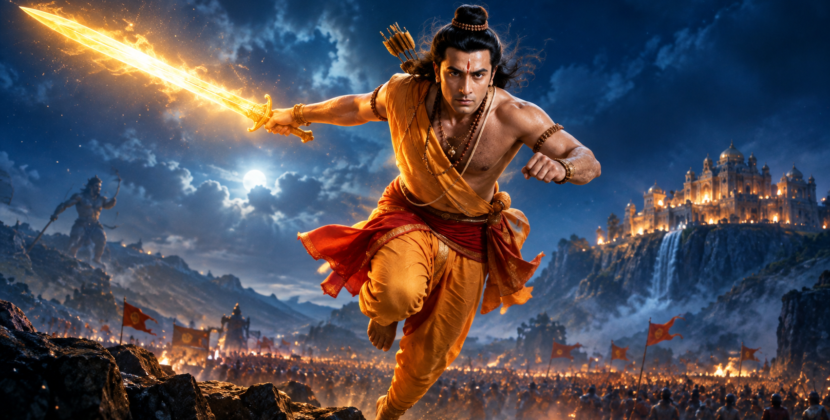


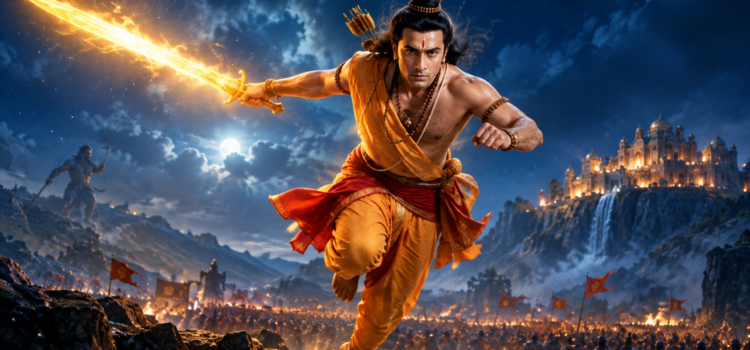
₹4,000 crore. One of India’s most iconic epics. Some of the biggest names in Bollywood. And a VFX team that has worked on films like Dune and Interstellar. The expectations from Namit Malhotra’s Ramayana is literally MASSIVE.
But here is the interesting part. The film has already faced its share of online backlash.
When the first glimpse arrived, audiences questioned everything from the VFX and character designs to the casting. Ranbir Kapoor as Lord Rama became a major talking point, while Sai Pallavi’s look as Sita also divided opinions. The trailer later opened another debate around costumes and aesthetics, particularly the looks of Sita and Kaikeyi. For a project reportedly mounted on a ₹4,000 crore budget, the audience is not simply expecting a big movie. They are expecting a visual experience which can stand beside the biggest global productions.
The makers, however, have defended their creative choices and asked audiences to experience the complete film before judging individual looks and visuals.
Ramayana: Part One is scheduled for Diwali 2026, with its international release reported for November 6 and its India release on this Diwali; 8th November 2026. Part Two is planned for Diwali 2027.
So, will Namit Malhotra’s Ramayana actually set a new benchmark for Indian VFX, or will the ₹4,000 crore spectacle struggle to meet the expectations?


Comments
Namit Malhotra’s Ramayana VFX: A New Benchmark for India?
A Giant Eyeball That Sees the Future of Entertainment
Bengaluru GAFX 2025 Kicks Off with ‘Future of Immersion’ Theme
Microsoft’s $80 Billion Gamble on AI: Bold Vision or Power Grab?
Has DeepSeek Outplayed Meta and OpenAI?